







Search Results for: coffee bean differences
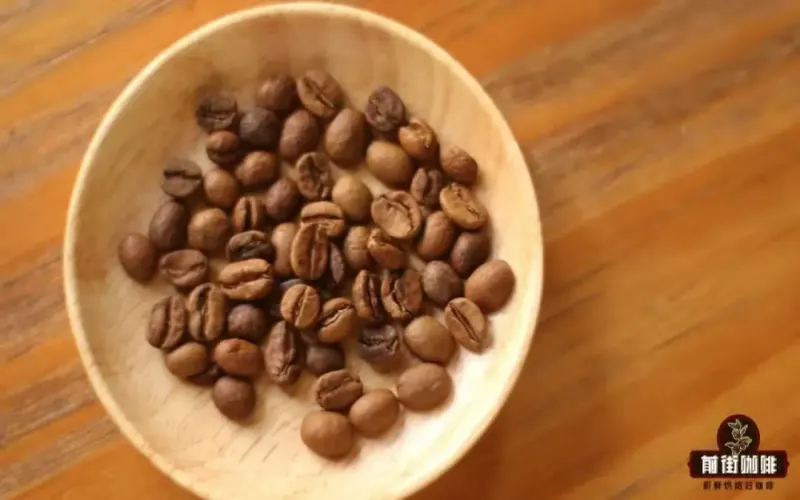
Where does the color variation in coffee beans come from? Why do honey processing and anaerobic processing cause uneven shades on the bean surface?
Coffee enthusiasts often notice that the coffee beans they buy vary in color from light to dark, and suspect a roasting problem. In fact, in most cases the color variation is not a roasting accident—it may actually mean the beans can brew into a richer, more layered cup. As an agricultural product, coffee beans can never be as uniform as an industrial product. This article starts from the common questions received by Front Street Coffee's customer service to explain how factors such as the uneven size of Ethiopian beans, residual pectin sugars in honey processing, and anaerobic processing cause color variation in coffee beans—and why this variation is sometimes a plus for flavor. [more…]

Black Coffee Bean Varieties | What's the Difference Between Single-Origin Pour-Over Beans and Espresso Blend Beans? Can Espresso Blend Coffee Beans Be Used for Pour-Over Black Coffee?
With the development of specialty coffee, more and more people are falling in love with single-origin coffee. Two types of coffee have emerged on the market: single-origin coffee beans and blended coffee beans. Single-origin coffee beans are generally used for making pour-over coffee, though many specialty coffee shops also use single-origin coffee beans to make espresso. Blended coffee beans [more…]
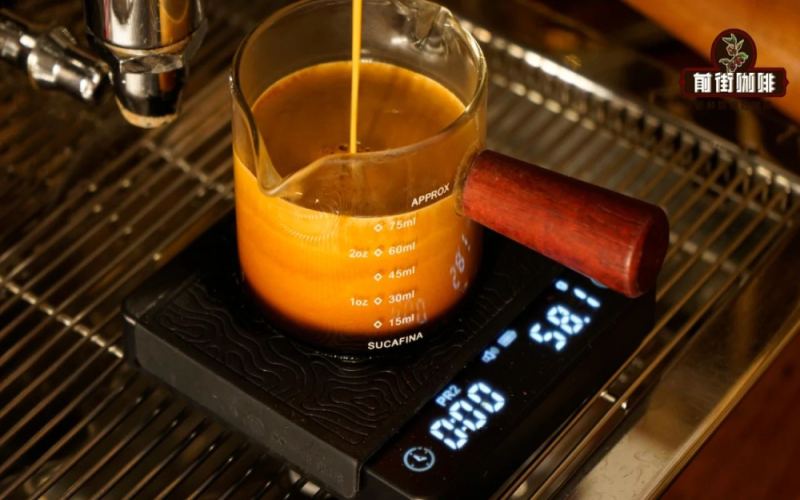
An Analysis of Flavor Differences Between Light, Medium, and Dark Coffee Bean Roasts: Taste Characteristics and Selection of Specialty Coffee at Different Roast Levels
Green coffee beans themselves have no obvious aroma or flavor; only through roasting can they release their alluring flavors. Roasting time, temperature, method, and even the roaster's experience all have a subtle impact on the final taste in the cup. From light to dark roast, coffee beans differ in color, acid-bitterness balance, and aroma layers, and the suitable brewing methods and drinking preferences vary greatly. In this article, Front Street Coffee will systematically sort out the flavor differences among light, medium, and dark roasted coffee beans, and, combined with specific origin cases, explain how roasters choose curves based on bean characteristics, as well as the effects of different roast levels on coffee chemical compounds and the final taste, helping coffee enthusiasts more clearly understand the relationship between roasting and flavor. [more…]
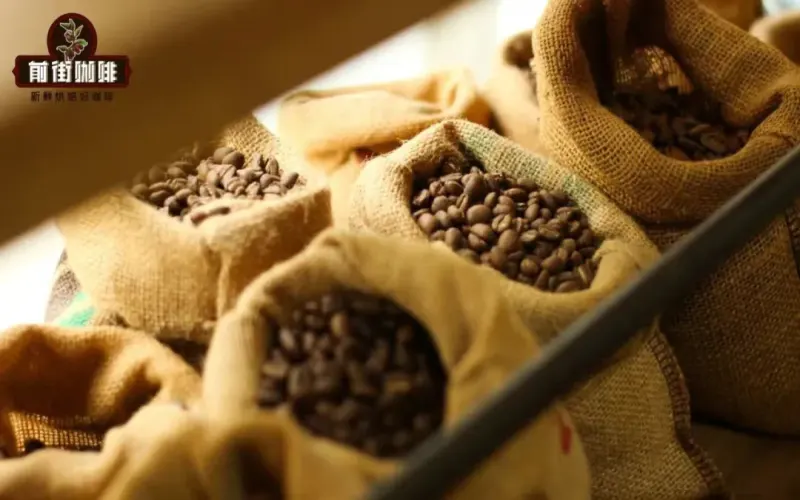
What Are the Differences Between Espresso and Pour-Over Coffee Beans? A Comprehensive Analysis from Roast Level and Extraction Method to Single-Origin and Blends
Friends who are new to coffee often feel overwhelmed by the dazzling array of bean labels and don't know how to choose the coffee beans that suit them. In fact, the differences between espresso beans and pour-over beans are not as complicated as imagined. The core difference lies mainly in the roast level—espresso beans tend to be dark-roasted, while pour-over beans tend to be light-roasted, and this difference stems from the different extraction methods. Once you understand the characteristics of pressure extraction and drip extraction, you'll see why some beans are better suited for espresso and others for pour-over. This article will also clarify common misconceptions about single-origin versus blends, and explain the quality logic behind price differences, helping you make more suitable choices under different extraction methods. [more…]
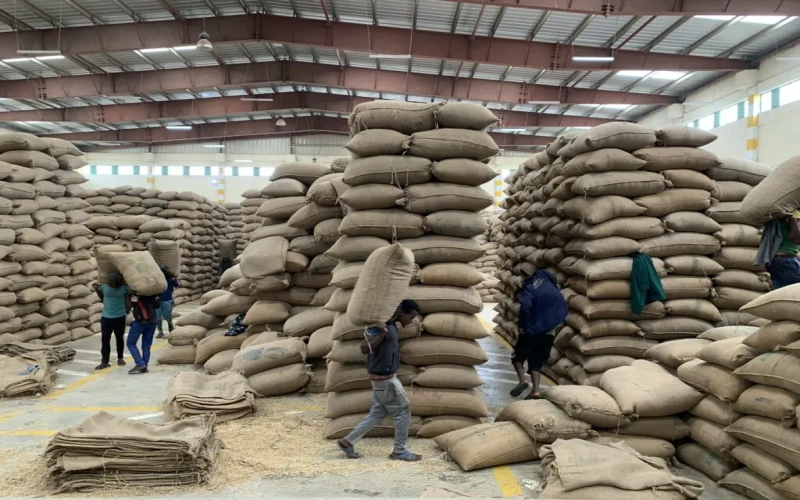
Detailed Explanation of Ethiopian Sidamo Coffee Bean Grading: Classification Standards and Differences Between G1 and G2 Grades
As an agricultural product, coffee beans' quality is influenced by many factors, so a grading system is needed to standardize quality and provide a purchasing reference for green bean buyers. Grading standards vary across producing regions: some are based on altitude, others on bean size, while Ethiopia uses a combination of defect rate and cupping. This article will provide an in-depth analysis of the meaning of the G1 and G2 grades for Ethiopian Sidamo coffee beans, explore the evolution of its grading system, and, through a comparison of Yirgacheffe G1 and G2—from appearance and roasting to cupping flavor—reveal the practical impact of grade differences on coffee quality. At the same time, Front Street Coffee's brewing recommendations will also provide you with useful reference. [more…]

What is the core difference between Americano and Latte? A Complete Breakdown from the Espresso Base to Front Street Coffee's Blend Beans
The difference between Americano and Latte ultimately comes back to the shared base of Espresso. An Americano is espresso diluted with water, while a Latte is espresso blended with milk — the two head in completely different flavor directions. From the perspective of Front Street Coffee, this article first breaks down the extraction logic and tasting approach of Espresso, then explains the key points of making a Latte and milk steaming techniques, and finally systematically introduces the recipe concepts and flavor profiles of Front Street Coffee's four espresso blends — Black Cocoa Blend, Specialty Blend, Commercial Blend, and Warm Sun Blend — helping coffee lovers understand the complete chain of a delicious cup of espresso from beans to cup. [more…]
Where Do Black Coffee Flavor Differences Come From? A Detailed Guide to the Difference Between Americano and Long Black and How to Choose Front Street Coffee's Four Espresso Blends
The same cup of black coffee can be clean, sweet, and easy to drink, or burnt, bitter, and hard to swallow—so where exactly does the difference come from? Starting with the definition of black coffee, this article sorts out the origins of Americano and the reasons behind its flavor, and compares Americano and Long Black in terms of preparation order, coffee-to-water ratio, and taste performance. At the same time, drawing on the extraction parameters used at Front Street Coffee shops, it introduces one by one the recipes, roast levels, and flavor characteristics of four espresso coffee beans—Basic Blend, Commercial Blend, Warm Sun Blend, and Specialty Blend—to help coffee lovers and shop operators find a bean that suits them. [more…]

Yirgacheffe Coffee Beans | What Are the Coffee Processing Methods for Natural and Washed? How Do the Flavors of Yirgacheffe Differ After Brewing with Different Processing Methods?
When buying coffee beans, aside from paying attention to origin and flavor, we also choose coffee beans that have undergone different processing methods. This is because different processing methods bring out different flavor characteristics in coffee; even coffee from the same origin, when processed by washed and natural methods respectively, will display different mouthfeels. For example, on the Front Street Coffee menu, [more…]
What Is the Difference Between Americano and Long Black? A Comprehensive Analysis from Extraction Method to Flavor Differences
American coffee and Long Black are both based on espresso, but the difference in preparation order brings about completely different taste experiences. The former is extracted first and then diluted with water, so the crema is dispersed and the concentration is even; the latter is poured with water first and then the espresso is added, so the crema is preserved and the flavor goes from strong to weak. Whether a cup of American coffee tastes good depends on the quality of the coffee beans and the extraction level. Front Street Coffee takes the Sunflower Warm Sun blend as an example, using the same beans to make American coffee and Long Black separately, showcasing the different layers of sherry aroma, berry acidity, and chocolate finish. This article will also introduce in detail the recipes, flavor characteristics, and suitable scenarios of Front Street's four Italian-style blends, helping coffee lovers find the cup that suits them. [more…]

A Complete Analysis of the Flavor Differences Between Natural and Washed Coffee Beans: From Green Bean Appearance to Cupping Taste and Brewing Comparison
Among coffee bean processing methods, natural and washed are the most common, and the two differ significantly in green bean appearance, roasting performance, silver skin shedding, and final cupping flavor. Through long-term cupping, Front Street Coffee has found that washed beans highlight the bean's intrinsic flavor, with bright and clean acidity; natural beans, because the fruit pulp participates in drying, have richer aroma, enhanced sweetness and body, and more complex flavor. This article compares two Panama Butterfly beans, one natural and one washed, one by one from processing flow, advantages and disadvantages, roasting details to actual brewing parameters, helping coffee enthusiasts understand the flavor changes brought by different processing methods and make choices based on personal preference. [more…]
What coffee beans should you choose for espresso? Single-origin vs. blend differences, SOE key points, and Front Street recommendations
In the world of espresso, the choice of coffee beans often determines the foundation of a cup. The coffee beans commonly found on the market are broadly divided into two categories: single-origin and blends. The former emphasizes the terroir and character of a specific origin, while the latter pursues stability and balance of flavor. Many people wonder: can single-origin beans used for pour-over be used directly to make espresso? And can blend beans be used for pour-over? From the perspective of Front Street Coffee, this article sorts out the differences between single-origin beans and blend beans, the impact of freshness on flavor, and the considerations in bean selection and roasting for SOE, while also sharing the flavors of specific products such as Front Street Sunshine Blend, to help coffee lovers clarify their thinking and find the bean that suits their own espresso recipe. [more…]
Single-Origin vs. Espresso Blend Beans: Can Blends Handle Pour-Over?
In today's world of increasingly popular specialty coffee, single-origin beans and blended beans each play an important role. The former is often used for pour-over, showcasing the terroir of its region; the latter is mostly used for espresso, pursuing stability and balance. But can blended beans really not be used for pour-over? And is it feasible to use single-origin beans for espresso? This article will, from the perspective of Front Street Coffee, deeply analyze the essential differences between the two, answer the feasibility of using blended beans for pour-over, and at the same time emphasize the importance of coffee bean freshness. Whether you are a pour-over enthusiast or an espresso player, you can gain practical ideas for choosing beans and brewing from it. [more…]
The Blending Principles and Purposes of Espresso Blend Coffee Beans, and Whether Blend Beans Are Suitable for Pour-Over Coffee
In the specialty coffee wave, single-origin beans and blended beans each have their own followers. Single-origin beans often appear in the pour-over realm, while blended beans mainly target espresso, safeguarding flavor consistency. But why exactly are beans blended? Can blends handle pour-over? And is it feasible to use single-origin beans for espresso? This article starts from Front Street Coffee's fresh-roasting philosophy, clarifies the conceptual boundaries between blends and single-origin, analyzes the process differences between pre-roast blending and post-roast blending, addresses the bean selection and roasting key points for SOE, and explains the rationale for using blended beans in pour-over along with Front Street's specific blending approach. [more…]
What Is the Difference in Bitterness Between Americano and Latte? A Complete Analysis from Espresso Base to Front Street Coffee Blend Beans
American coffee and latte coffee, which cup is actually more bitter? This question seems simple, but behind it lies the extraction principles of espresso, the dilution effects of milk and water, and the profound influence of coffee bean blending methods on flavor. Front Street Coffee will start with the definition and parameters of Espresso, analyze the flavor differences between American coffee and latte layer by layer, and provide a detailed introduction to the characteristics and suitable applications of various espresso blend beans, helping you make a choice that better suits your personal taste when ordering at a café, and also replicate a satisfying cup of espresso at home. [more…]

How Do Washed and Natural Coffee Beans Differ? A Clear Explanation from Silver Skin and Color to Flavor
Faced with a dazzling array of coffee beans, how can you quickly tell whether they are sun-dried or washed? In fact, as long as you grasp the basic processes of the two processing methods, and then combine them with the color of green beans, the silver skin of roasted beans, and the performance in the cup, you can easily distinguish them. The sun-dried method has a long history and relies on natural drying, so sugars easily seep into the bean surface; the washed method uses water tank screening and soaking to give coffee a cleaner tone. This article will start from the processing steps and compare one by one the differences between sun-dried and washed in green beans, roasted beans, and flavor, and use Front Street Yirgacheffe Sun-Dried Red Cherry and Washed Gudingding as examples to provide specific brewing comparisons, helping you quickly establish a basis for judgment in daily tasting. [more…]
An Analysis of the Differences Between Pre-Roast and Post-Roast Blending for Espresso Blends, with a Discussion of Blend Recipe Design and Tasting Methods
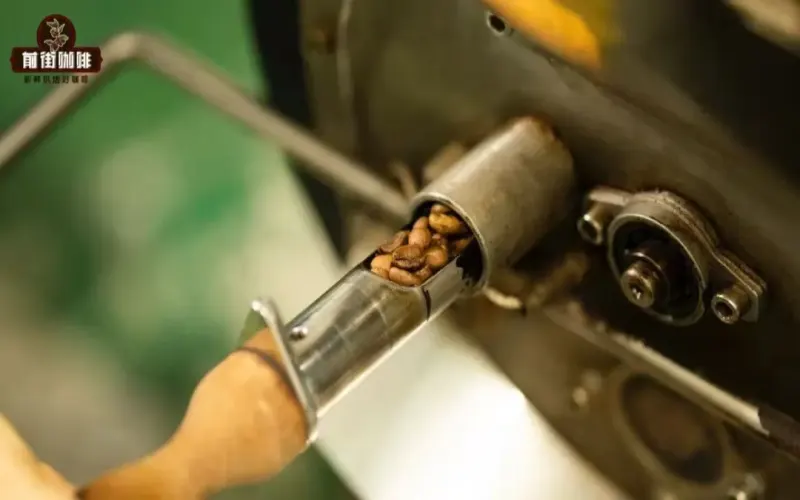
Espresso coffee beans are usually made by blending a variety of coffee beans, and in Italy, a bag of beans may contain several or even dozens of beans from different origins. The core value of blending lies in maintaining flavor stability: when a certain bean's quality fluctuates, its production declines, or its price rises, the roaster can substitute it with beans of similar quality without changing the overall taste. Blending methods are mainly divided into two types: pre-roast blending and post-roast blending, each with different operational logic and suitable scenarios. This article focuses on the differences between these two blending methods, while also explaining the influence of roast degree on flavor, the reasons why single-origin beans find it difficult to independently serve as an espresso base, and recommending three classic espresso blend products from the Front Street Coffee brand, to help coffee enthusiasts understand the design approach and tasting direction of blend recipes. [more…]
Coffee Bean Identification | What Are the Differences Between Washed and Natural Coffee? How Can Coffee Beginners Learn to Tell Natural Beans from Washed Beans?
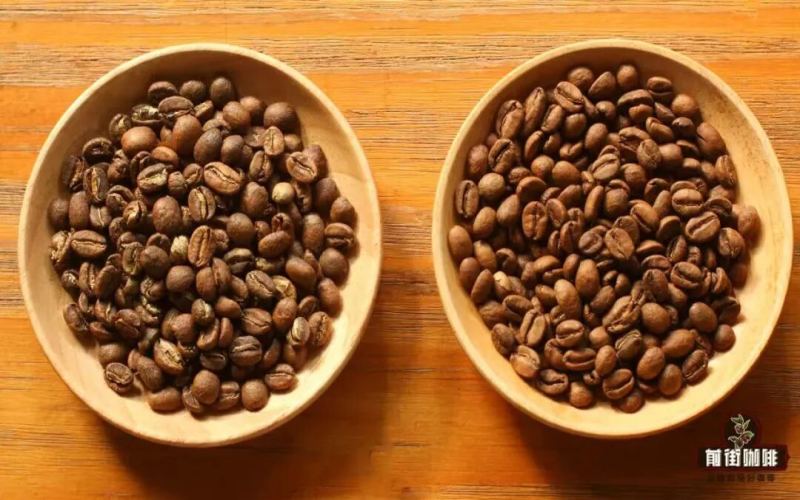
If you often drink pour-over coffee, Front Street believes you've probably seen friends who can tell washed and natural processed coffee apart at a glance, or with a single sip. Because they distinguish them so quickly, many friends are amazed and wonder how on earth they do it. Just yesterday, [more…]
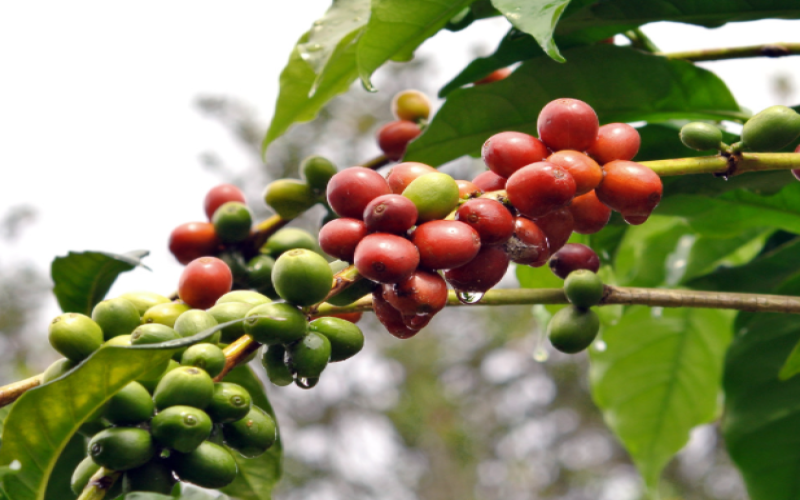
Why Are Online Coffee Beans More Affordable? An Analysis of Origin, Variety, and Grade Differences and Buying Tips
Many friends who brew coffee at home have this confusion: coffee beans on e-commerce platforms are often much cheaper than those at Starbucks stores, yet they don't seem to taste bad. The reason behind this is actually closely related to the variety, origin, grading, and roasting method of the coffee beans. Coffee from different regions has its own distinctive flavors: Asian beans tend to be bitter with herbal notes, African beans are bright and acidic with floral and fruity aromas, and American beans are known for their balance. Each country also has different grading standards for coffee beans—some look at defect rates, some at altitude, and some at bean size. So what kind of coffee beans are actually worth buying? This article will help you sort out your buying approach, from the reasons behind pricing and differences in varieties to grading systems and specific recommendations. [more…]
Yirgacheffe Flavor Analysis and the Chelba Cooperative: Washed vs. Natural Differences and Rainforest Alliance Certification
Ethiopia, as the birthplace of coffee, continues to hold a major position in global coffee quality and production despite enduring poverty and instability. The country primarily employs two processing methods, washed and natural, and coffees from different regions—or even different cooperatives within the same region—can differ significantly in aroma and flavor. This article provides an in-depth analysis of the flavor characteristics of the Yirgacheffe region and offers a detailed introduction to the Shelba Coffee Cooperative—a cooperative of 490 farmers with Rainforest Alliance certification—and how it presents delicate citrus acidity and distinct jasmine florals through high-altitude heirloom Arabica beans and strict washed processing, making it an important reference for identifying the Yirgacheffe style. It also compares the flavor differences between Front Street Yirgacheffe natural beans and Front Street Sidamo natural beans, helping coffee enthusiasts gain a more comprehensive understanding of the diversity of Ethiopian coffee. [more…]

How Are Blended Coffee Beans Different from Single-Origin Coffee Beans? Which One Should You Choose for Making Americano
Walking into a coffee shop, you'll often see two options on the menu: blends and single-origin coffees. What exactly is the difference between them? Simply put, single-origin coffee comes from the same region or estate, with a distinct and distinctive flavor profile; blended coffee, on the other hand, combines beans from multiple origins in specific proportions, pursuing balance and consistency in taste. Blending is not random mixing—the blender must, like a painter mixing colors, let different beans complement each other's strengths and weaknesses. Single-origin beans, meanwhile, rely more on the roaster's skill to showcase regional characteristics. So when making an Americano, which is better tasting—a blend or a single-origin? This article will go through the differences between the two in terms of definition, roasting, extraction methods, and specific bean recommendations, and offer purchasing advice suitable for beginners. [more…]